
If you’ve ever struggled with cooking brown rice that turns out mushy or sticky, you’re not alone. Today, I’m thrilled to share my favorite technique, perfect for anyone wanting to master fluffy, separate grains every time. The secret lies in this detailed guide on How to Cook Perfect Non-Mushy Brown Rice Recipe—a straightforward method that guarantees tender, chewy rice with just the right bite, turning your everyday meals into something truly satisfying.
Ingredients You’ll Need
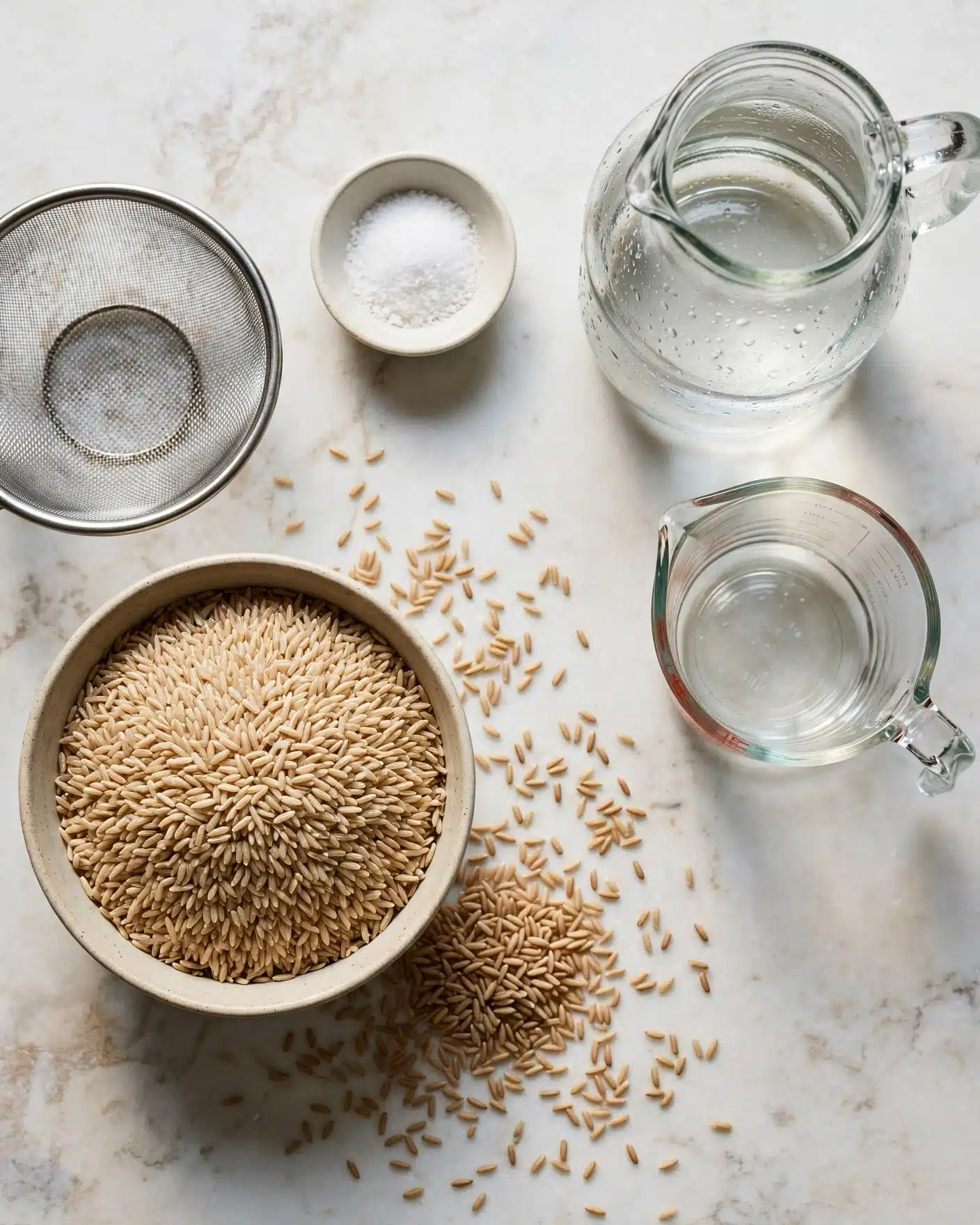
The magic of perfectly cooked brown rice starts with a handful of simple yet essential ingredients. Each one plays a crucial role in achieving that ideal texture and flavor, making this dish both wholesome and delicious without any extras getting in the way.
- 1.5 cups brown rice: The whole grain treasure packed with fiber and nutrients, providing that hearty texture.
- 1 teaspoon salt: Enhances the natural nutty flavor of the brown rice while seasoning the water evenly.
- 8-10 cups water: Ample water cooks the rice evenly without sticking, similar to pasta cooking technique.
How to Make How to Cook Perfect Non-Mushy Brown Rice Recipe

Step 1: Rinse and Soak the Rice
Start by rinsing your brown rice several times under cold running water to wash away surface starch. Then soak the rice in fresh water for 30 to 60 minutes—if you have the time, a longer soak helps soften the grains. Once soaking is done, drain and rinse again until the water runs clear. This crucial step sets the foundation for grains that will cook evenly without turning gummy.
Step 2: Bring a Large Pot of Water to a Boil
Fill a large pot with 8 to 10 cups of water and bring it to a rolling boil. I love using a kettle first to speed things up. Add the teaspoon of salt and then add the drained rice to the pot. Stir the grains gently to separate them so they don’t clump together as they begin to cook. This approach mimics pasta cooking and ensures the grains have room to move freely as they absorb heat.
Step 3: Simmer the Rice at a Steady Boil
Once the water returns to a gentle boil, lower your heat to medium-high. Keep the pot uncovered and let the rice simmer steadily, stirring occasionally to prevent sticking. This step can take about 35 to 40 minutes depending on the rice brand, so patience is key. Check the texture periodically—the grains should be tender yet still offer a slight bite without any crunch.
Step 4: Drain and Steam
When the rice is perfectly cooked, drain it through a fine colander to remove excess water. Return the rice to the pot, cover it with a lid, and let it steam off the heat for 5 to 10 minutes. This steaming phase helps the grains firm up and separate beautifully while resting. The transformation here is truly remarkable.
Step 5: Fluff and Enjoy
Finally, remove the lid and fluff the rice gently using a fork. This helps separate any lingering clusters and releases steam for a light, airy texture. Now your brown rice is ready to shine alongside your favorite dishes or as the base of a wholesome bowl. That’s the secret to the perfect non-mushy outcome, every time.
How to Serve How to Cook Perfect Non-Mushy Brown Rice Recipe
Garnishes
Simple garnishes like freshly chopped herbs (cilantro, parsley, or green onions) add a pop of color and freshness that contrast beautifully with the nutty brown rice. Toasted nuts or seeds sprinkle in delightful crunch and a touch of extra flavor. Don’t forget a drizzle of good quality olive oil or a squeeze of citrus juice for brightness.
Side Dishes
Brown rice pairs beautifully with a huge range of dishes. Serve it with hearty curries, vibrant stir-fries, or slow-cooked stews to soak up the lovely flavors. It’s also a fantastic base for protein-packed Buddha bowls loaded with roasted veggies, beans, and creamy dressings. Its chewy texture balances rich and saucy complements perfectly.
Creative Ways to Present
Try turning your perfectly cooked brown rice into stuffed peppers, layering it in casseroles, or tossing it into fried rice recipes for a wholesome twist. For meal prep, mix cooked brown rice with grains like quinoa or wild rice for texture variations. You can even shape it into patties for an unconventional, tasty side option. The possibilities are endless!
Make Ahead and Storage
Storing Leftovers
Leftover brown rice stores beautifully in an airtight container in the refrigerator for up to 4-5 days. Keeping it chilled quickly after cooking preserves its texture and prevents any sogginess from developing. It’s an easy way to have healthy grains ready to use throughout the week.
Freezing
Brown rice freezes exceptionally well. Portion the cooked rice into freezer-safe containers or bags, removing as much air as possible to avoid freezer burn. Frozen brown rice stays good for up to 3 months and defrosts quickly when you need a convenient side dish or base for meals.
Reheating
To reheat, sprinkle a few drops of water over the rice to restore moisture, then microwave covered or warm gently in a skillet over low heat, stirring occasionally. This will revive the fluffy texture without drying it out. Avoid overheating to keep your rice perfectly separated and tasty.
FAQs
Can I skip soaking the brown rice?
While soaking isn’t absolutely required, it makes a significant difference in texture and cooking time. Soaking softens the grains, allowing them to cook more evenly without turning mushy. If you’re short on time, rinsing well is essential, but soaking is highly recommended for best results.
Why so much water – 8 to 10 cups for 1.5 cups of rice?
This method uses a large amount of water similar to pasta cooking to ensure the rice cooks evenly and grains don’t stick together. The excess water is drained off at the end, leaving you with perfectly separated grains, unlike the traditional absorption method where the ratio is much lower.
How do I know when the rice is done?
The rice is done when it’s tender enough to eat but still has a slight chew or bite to it—never crunchy or too soft. Testing a few grains towards the end of cooking helps you catch that perfect texture before draining and steaming.
Can I use this method for other types of rice?
This technique is specifically tailored to brown rice because of its denser bran layer, but similar methods can work for other whole grain rices. For white rice or jasmine, less water and shorter cooking times are generally better since those grains cook faster and are softer.
What if my rice turns out sticky or mushy?
If that happens, it usually means there wasn’t enough water circulation or you didn’t rinse and soak the grains well. Make sure to stir occasionally during cooking and don’t skip the final steaming step—this helps the grains dry out a bit and separate beautifully.
Final Thoughts
Learning How to Cook Perfect Non-Mushy Brown Rice Recipe might seem tricky at first, but trust me, once you master these simple yet crucial steps, you’ll never look back. This process elevates your brown rice from just a side ingredient to the star of your meals. Give it a try, experiment with your favorite seasonings and dishes, and enjoy all the wholesome goodness and texture that perfect brown rice has to offer!
Print
How to Cook Perfect Non-Mushy Brown Rice Recipe
Learn how to cook perfect brown rice without it turning mushy using a simple stovetop boiling and steaming method. This technique ensures separate, fluffy grains with just the right amount of bite, perfect as a base for curries, stir-fries, and grain bowls.
- Total Time: 42-60 minutes
- Yield: 5 servings
Ingredients
Ingredients
- 1.5 cups brown rice
- 1 teaspoon salt
- 8–10 cups water
Instructions
- Rinse and soak: Rinse the brown rice several times under cold water until the water runs clear. Then soak the rice in a bowl of fresh water for 30 to 60 minutes, or up to a few hours if you have the time. Drain and rinse again to remove any murky residue.
- Boil water: Bring a large pot of 8 to 10 cups of water to a rolling boil. Adding enough water ensures the rice cooks evenly, similar to pasta. Add 1 teaspoon of salt and the soaked rice to the pot, stirring gently to separate the grains.
- Simmer rice: Once the water returns to a gentle boil, reduce the heat to medium-high and allow the rice to simmer uncovered. Stir occasionally to prevent sticking and promote even cooking.
- Check for doneness: After approximately 35-40 minutes, taste the rice to ensure it is cooked through with a slight bite and no crunchiness. The cooking time may vary depending on the rice brand.
- Drain and steam: Drain the cooked rice using a colander. Return it to the pot and cover with a lid. Let the rice steam off the heat for 5 to 10 minutes to finish cooking and enhance fluffiness.
- Fluff and serve: Remove the lid and gently fluff the rice with a fork to separate grains. Serve alongside your favorite curry, stir-fry, or as part of a protein-packed buddha bowl.
Notes
- Soaking the rice helps reduce cooking time and removes excess starch to prevent mushiness.
- Use plenty of water to mimic pasta cooking for evenly cooked grains.
- Do not cover the pot while simmering to avoid condensation and clumping.
- Steaming off heat after draining makes the rice fluffier and less sticky.
- Fluff gently with a fork rather than stirring vigorously to keep grains separate.
- Prep Time: 10 minutes (including soaking)
- Cook Time: 35-40 minutes simmering + 5-10 minutes steaming
- Category: Grain side dish
- Method: Stovetop
- Cuisine: Universal
- Diet: Gluten Free


