
If you have a passion for vibrant, herb-packed dishes that burst with flavor, then you’re going to fall head over heels for this Kuku Sabzi – Persian Herb Frittata Recipe. This traditional Persian dish is a celebration of fresh green herbs blended with wholesome ingredients, resulting in a frittata that is both light and satisfyingly rich. It’s the perfect way to add a fragrant burst of summer to any meal and impress friends and family with a slice of Persian culinary magic.
Ingredients You’ll Need
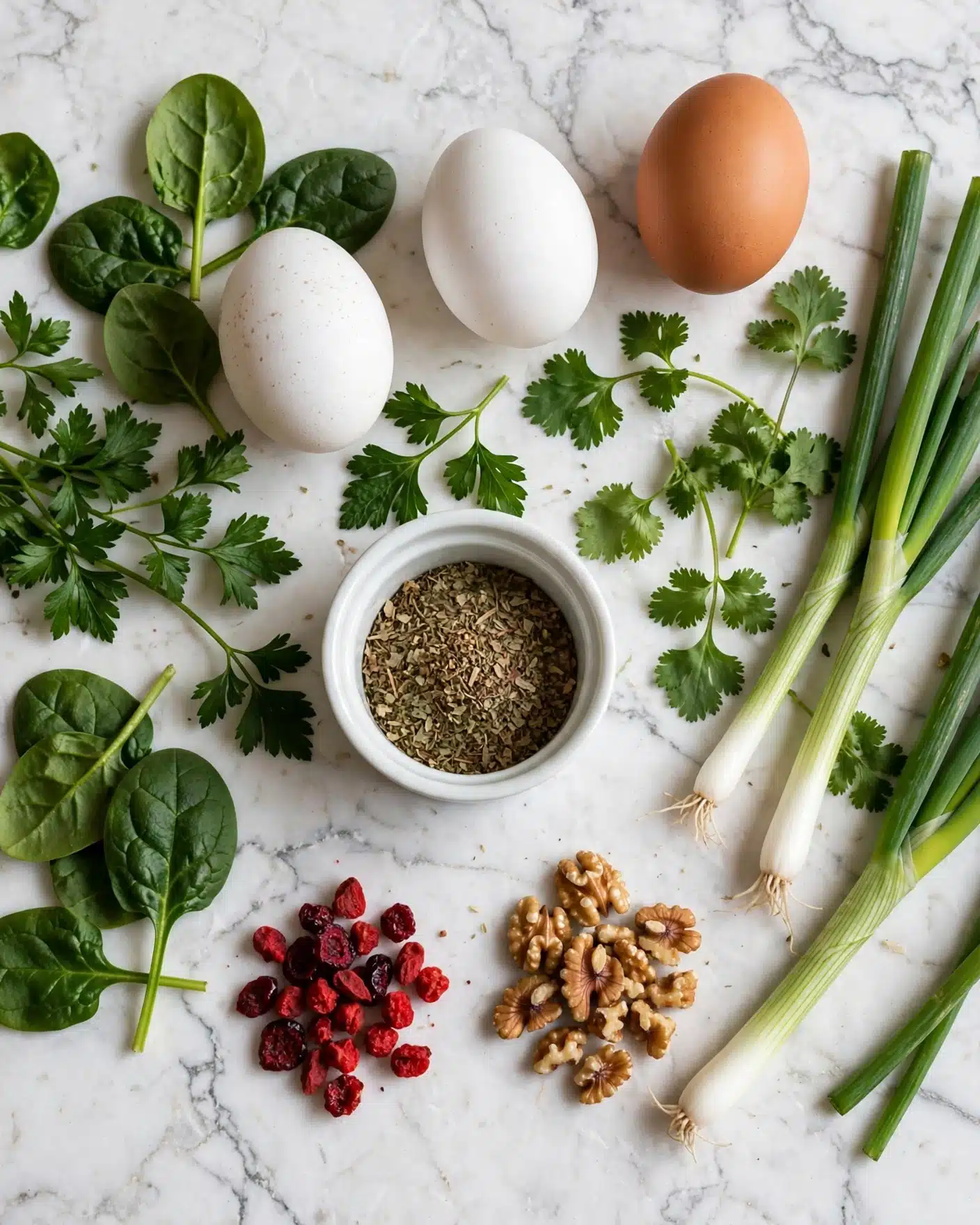
Gathering simple yet fresh ingredients is the key to making this Kuku Sabzi – Persian Herb Frittata Recipe truly shine. Each component brings its own magic to the table, whether it’s the earthy walnuts adding crunch, or the aromatic herbs that fill the frittata with bright, fresh flavors.
- 4 large eggs: The foundation that holds everything together and creates a fluffy texture.
- 1 cup fresh parsley leaves (including tender stems): Offers a peppery, slightly bitter taste adding depth and color.
- 1 cup fresh cilantro/coriander (including tender stems): Brings a zesty, citrus-like brightness.
- 1 cup fresh dill: Adds a delicate, sweet anise flavor that complements the other herbs.
- 1 cup fresh spinach: Mild and vibrant, it balances the stronger herb flavors and creates a lovely texture.
- 1 cup scallions/green onions (approx. 4): Gives a subtle onion kick that’s fresh and not overpowering.
- ⅓ cup walnuts: Finely chopped or toasted for a crunchy contrast.
- 1 tablespoon dried fenugreek (optional): Adds an earthy note that’s quintessential in Persian cooking.
- ¼ cup barberries (optional): Tart and slightly sweet, they brighten each bite beautifully.
- 1 tablespoon all-purpose flour: Lightly thickens the mixture to achieve the perfect texture.
- ½ teaspoon turmeric powder: Provides warmth and a golden hue.
- 1 teaspoon baking powder: Helps the frittata rise slightly for a fluffy consistency.
- 3 tablespoons extra virgin olive oil: For cooking and adding luscious richness.
- Salt and black pepper: To season and awaken all the flavors.
How to Make Kuku Sabzi – Persian Herb Frittata Recipe
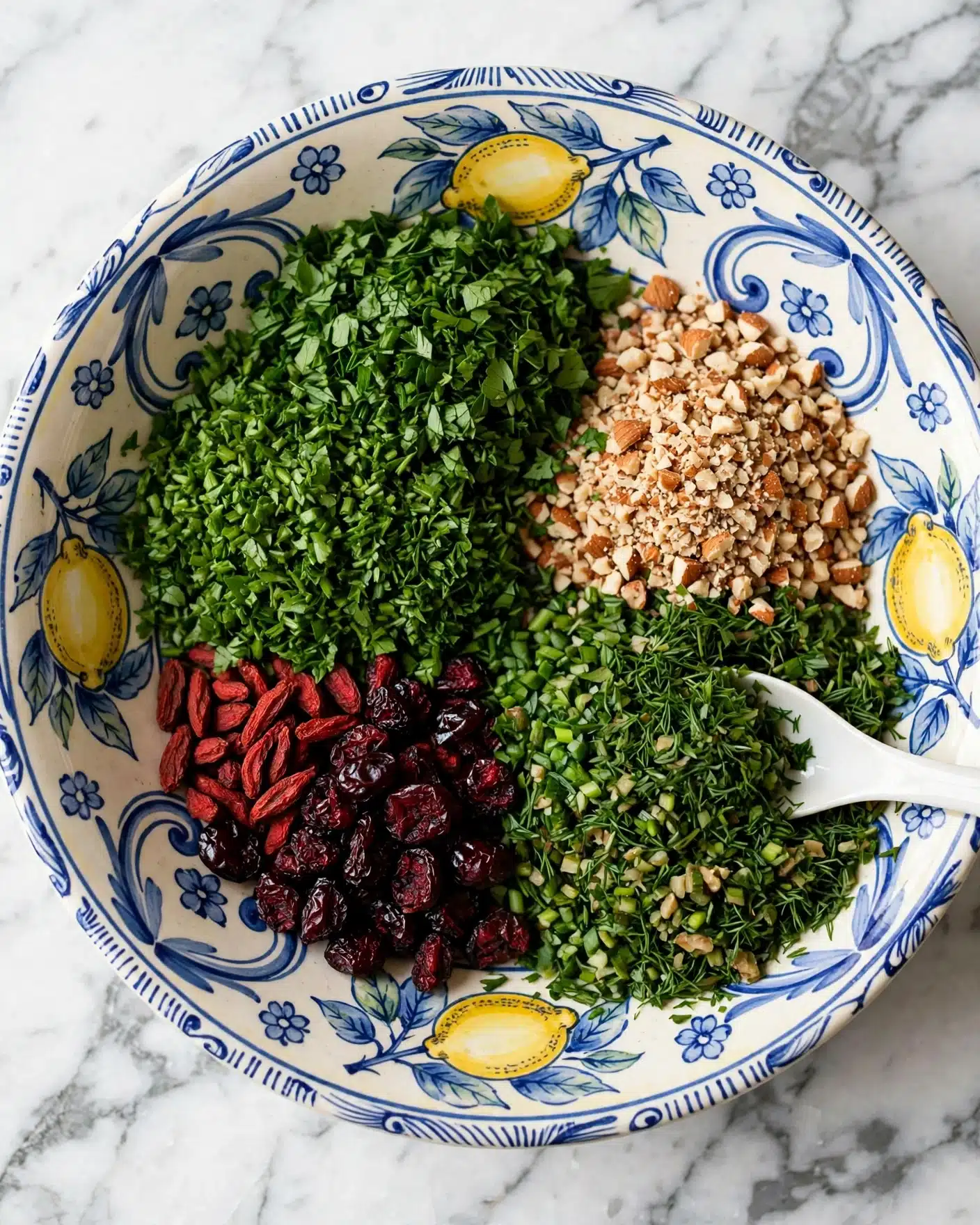
Step 1: Prepare the Herbs and Nuts
Start by washing the fresh herbs and spinach thoroughly, then make sure to dry them completely—this is crucial so that your frittata is not watery. Using a salad spinner or kitchen towel works perfectly. For extra convenience, you can prep this the night before and keep the greens in the fridge, allowing them to dry even more. Next, chop all the herbs and spinach finely, and slice the scallions. Finely chopping the walnuts, and optionally toasting them in a dry pan for a few minutes, adds a wonderful nutty aroma and crunch.
Step 2: Create the Egg Mixture
In a large bowl, whisk the eggs until frothy. Add the turmeric powder, baking powder, flour, half a teaspoon of salt, and a good pinch of black pepper. Whisk these ingredients together until well combined—this base flavors the frittata and creates the right lightness.
Step 3: Combine Herbs and Eggs
Gently stir the chopped greens, the optional dried fenugreek, walnuts, and barberries into the egg mixture. Be careful not to overbeat at this stage; keeping a thick batter consistency is key. If it feels too wet, add an extra spoonful of flour to balance the moisture.
Step 4: Cook the Frittata
Heat three tablespoons of extra virgin olive oil in a non-stick pan over low to medium heat (around 9.5 inches or 24 cm in diameter). Pour in the batter and smooth out the surface quickly with a rubber spatula so it cooks evenly. Allow it to cook for about 15 minutes, gently loosening the edges now and then to prevent sticking. The top and sides should be set, with the bottom a deep, dark green, nearly black shade.
Step 5: Flip and Finish Cooking
Place a large plate over the pan and carefully flip the frittata onto it. Add a light drizzle of olive oil back into the pan, then slide the frittata back in to cook the other side for about 10 minutes. This ensures even cooking and that signature golden-green color. Check a corner for doneness, then flip it back onto the plate.
Step 6: Cool and Slice
Allow the kuku to cool for at least 10 minutes before slicing into squares or triangles. This resting period helps the flavors to settle and makes slicing neater. Garnish with chopped walnuts and barberries for a beautiful and tasty finish, and you’re ready to serve this unforgettable Kuku Sabzi – Persian Herb Frittata Recipe!
How to Serve Kuku Sabzi – Persian Herb Frittata Recipe
Garnishes
Adding toppings like extra chopped walnuts and barberries brings texture and pops of color to the plate, making your kuku look as stunning as it tastes. Fresh herbs such as parsley or dill can also amp up the visual appeal and herbaceous aroma right at the table.
Side Dishes
Kuku Sabzi pairs wonderfully with Persian staples such as saffron rice or warm flatbreads like lavash. A dollop of tangy yogurt or mast o khiar (Persian cucumber yogurt) complements the herbal richness and balances the flavors beautifully. For something lighter, a crisp salad with fresh cucumbers, tomatoes, and lemon dressing fits perfectly alongside this dish.
Creative Ways to Present
For a fun brunch or dinner spread, try serving kuku in small slices alongside an assortment of nuts, olives, and fresh fruit. You can also turn it into finger food by cutting into smaller triangles and serving with toothpicks, making it easy for guests to enjoy. Fresh herb smoothies or vivid pomegranate seeds make excellent accompaniments to elevate the whole experience.
Make Ahead and Storage
Storing Leftovers
If you’re lucky enough to have leftovers, store them in an airtight container in the refrigerator for up to 3 days. The flavors deepen overnight, so it can actually taste even better the next day!
Freezing
To freeze, wrap the sliced kuku tightly in plastic wrap or foil and place in a freezer-safe bag or container. It will keep well for up to 2 months. When ready to enjoy, thaw overnight in the fridge for best results.
Reheating
Reheat slices gently in a non-stick pan over low heat with a splash of olive oil to revive their texture and flavor. Avoid microwaving if possible to keep the kuku crisp on the edges. Reheating slowly ensures it warms through without drying out.
FAQs
Can I make Kuku Sabzi without walnuts?
Absolutely! While walnuts add a lovely crunch and richness, you can omit them if you have allergies or prefer a nut-free version. The frittata will still be full of vibrant herb flavor and delicious texture.
Is dried fenugreek essential?
Dried fenugreek is traditional and lends a unique earthiness to the dish, but it’s optional. If you don’t have it on hand, your kuku will still be fantastic without it. Feel free to experiment with your own favorite dried herbs as well.
Can I use frozen herbs instead of fresh?
Fresh is best for this recipe to capture its bright and lively herb flavors. Using frozen herbs is not ideal, as they tend to release excess moisture which can affect the texture. If frozen is all you have, make sure to thaw and drain them very well before using.
What can I serve instead of barberries?
If barberries are unavailable or not to your taste, dried cranberries or pomegranate seeds make great substitutes. They provide a similar tangy sweetness that complements the herbs beautifully.
Is Kuku Sabzi gluten-free?
Traditionally, it includes a small amount of all-purpose flour, so it’s not strictly gluten-free. However, you can substitute the flour with a gluten-free alternative like chickpea flour or almond flour to keep the texture just right.
Final Thoughts
Sharing this Kuku Sabzi – Persian Herb Frittata Recipe feels like handing over a treasured secret. Its fresh herbs, warm spices, and delightful textures combine to create a dish that’s as joyous to make as it is to eat. I encourage you to dive in and give it a try—you’ll discover how a simple recipe can become an unforgettable part of your kitchen repertoire and your heart.
Print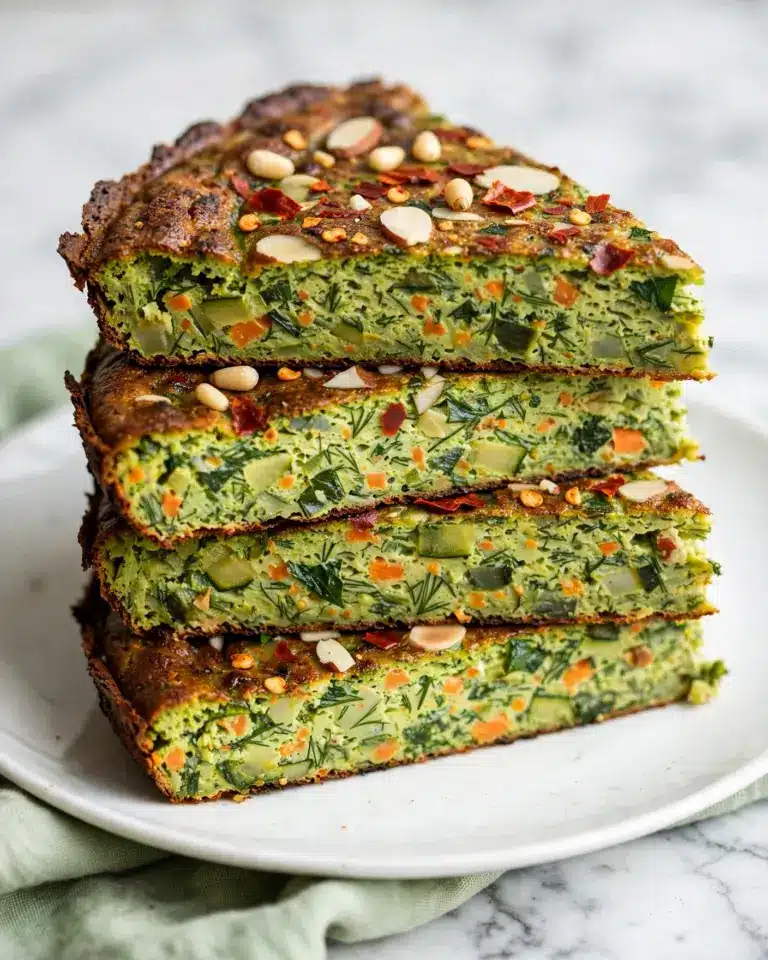
Kuku Sabzi – Persian Herb Frittata Recipe
Kuku Sabzi is a traditional Persian herb frittata bursting with fresh herbs like parsley, cilantro, dill, and spinach, combined with walnuts and optional barberries for a tangy touch. This authentic family recipe creates a vibrant, green, protein-rich dish that’s perfect for brunch, lunch, or a light dinner. Cooked gently on the stovetop, it delivers a unique flavor and texture reminiscent of a thick, herbaceous omelette.
- Total Time: 45 minutes
- Yield: 8 servings
Ingredients
Egg Mixture
- 4 large eggs
- 1 tablespoon all purpose flour
- ½ teaspoon turmeric powder
- 1 teaspoon baking powder
- ½ teaspoon salt
- Black pepper, a good pinch
Herbs and Vegetables
- 1 cup fresh parsley leaves, including tender stems
- 1 cup fresh cilantro (coriander), including tender stems
- 1 cup fresh dill
- 1 cup fresh spinach
- 1 cup scallions (green onions), about 4 stalks
Additional Ingredients
- ⅓ cup walnuts, finely chopped (toasted optional)
- 1 tablespoon dried fenugreek (optional)
- ¼ cup barberries (optional)
- 3 tablespoons extra virgin olive oil
Instructions
- Prepare the herbs and greens: Wash all the fresh herbs and spinach thoroughly. Dry them well using a salad spinner or kitchen towels to remove any excess water. For best results, prep this step the night before and refrigerate to dry more.
- Chop ingredients: Finely chop all the herbs and spinach. Slice the scallions thinly to prepare for mixing.
- Prepare walnuts: Finely chop the walnuts. Optionally, toast them in a dry saucepan over medium heat for a few minutes until fragrant to enhance flavor.
- Whisk eggs: In a large bowl, whisk the eggs until well combined.
- Add dry ingredients and seasoning: To the eggs, add turmeric powder, baking powder, all-purpose flour, salt, and black pepper. Whisk everything together until smooth.
- Combine with herbs and nuts: Add the chopped herbs, fenugreek (if using), chopped walnuts, and barberries (if using) to the egg mixture. Stir gently to combine. Avoid over-beating to prevent the batter from becoming watery. The mixture should be thick; if too wet, add an additional spoon of flour.
- Heat the pan: Place a non-stick saucepan (about 9.5 inches / 24 cm) on low to medium heat and add 3 tablespoons of extra virgin olive oil to coat the surface well.
- Cook first side: Pour the herb and egg batter into the pan, spreading it evenly with a rubber spatula to flatten the top. Cook gently for about 15 minutes, until the top and sides are set. Occasionally move the sides with a spatula to prevent sticking.
- Flip the frittata: Place a large plate over the pan and carefully invert the kuku onto it. It should have a dark green to almost black color.
- Cook second side: Drizzle a little olive oil back into the pan. Slide the kuku back in, cooking for another 10 minutes on the other side until browned. Check the edges to ensure it’s cooked and browned, then transfer it back onto the plate.
- Rest and serve: Let the kuku cool for at least 10 minutes before slicing into squares or triangles. Garnish with chopped walnuts and barberries, then serve your delicious Persian Kuku Sabzi.
Notes
- Dry herbs thoroughly to avoid watery batter and uneven cooking.
- Fenugreek and barberries are traditional but optional; they add distinct flavor and color.
- Use a non-stick pan to prevent sticking and facilitate easy flipping.
- Cook on low to medium heat to ensure the kuku cooks through without burning.
- Letting it rest before slicing helps retain moisture and flavor.
- You can substitute fresh fenugreek with dried if fresh is unavailable.
- For a nut-free version, omit walnuts or substitute with seeds if desired.
- Prep Time: 20 minutes
- Cook Time: 25 minutes
- Category: Breakfast, Brunch, Appetizer, Main Dish
- Method: Stovetop
- Cuisine: Persian
- Diet: Gluten Free


